
GFN – LONDON: Oil prices rose modestly after the US struck several Iranian-linked tankers in the Persian Gulf and Iran moved to enforce a new restricted zone outside the Strait of Hormuz, extending a standoff that has kept the market supported.
Analysts said in a commodities note that the US strikes came in response to Iran targeting US warships, and that Tehran has also acted against tankers navigating unauthorised routes, with the planned restricted zone putting additional vessels in the Gulf of Oman at risk. Oil continues to flow despite the escalation: the US energy secretary said crude moving through the Strait of Hormuz is averaging a little more than 9m b/d, made possible by US Navy escorts.
Speculators bought 37,837 lots of ICE Brent over the latest reporting week, lifting the net long to 261,435 lots as of last Tuesday, with most of the increase coming from short covering rather than fresh buying. OPEC+ left its October output quotas unchanged, having already announced increases this year that fully unwind 1.65m b/d of voluntary cuts, although the assessment is that most members will produce well below quota while the Gulf disruptions continue.
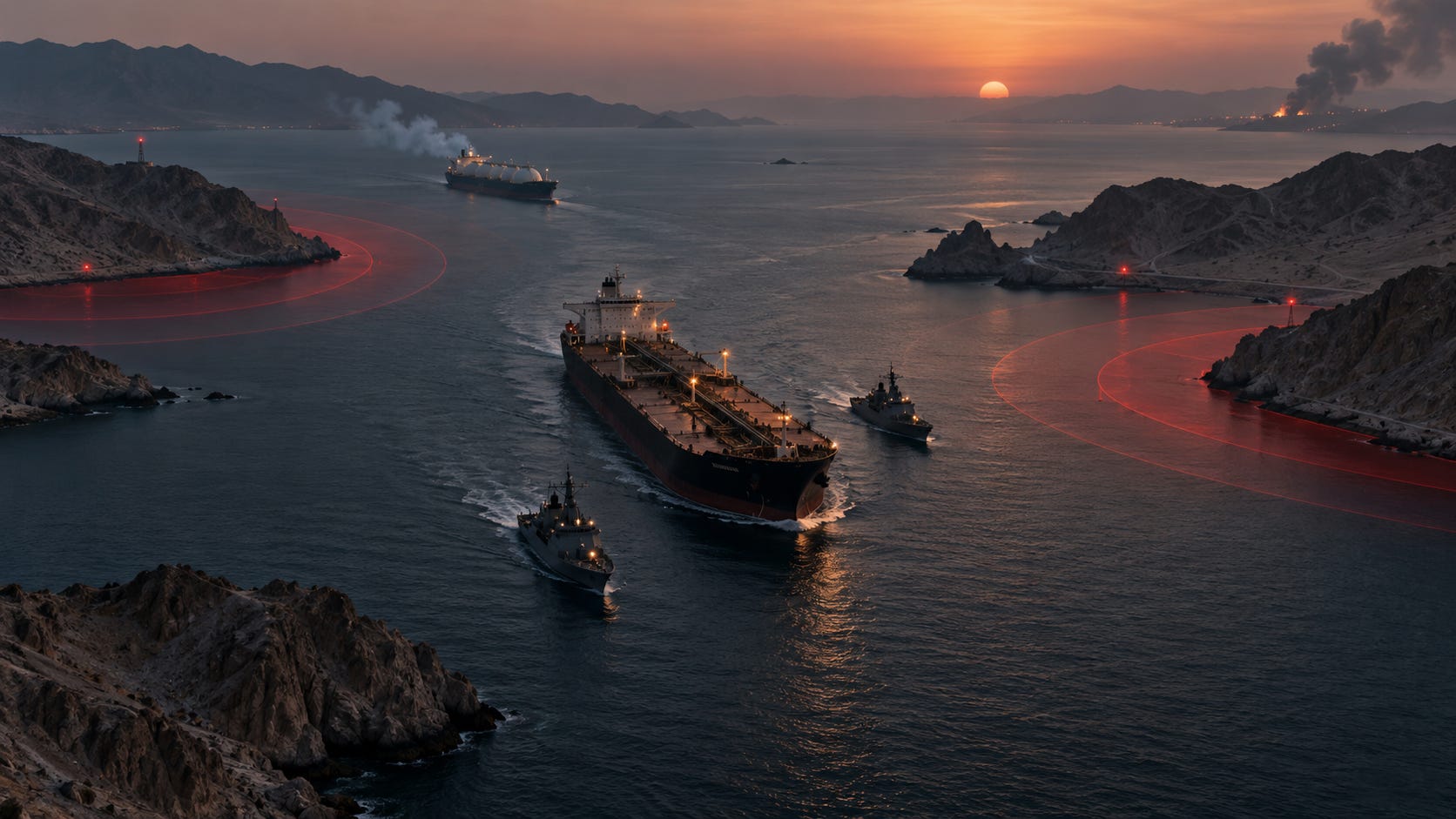
“Unfortunately, LNG has not been flowing out as much as crude oil, leaving the gas market increasingly vulnerable as we near the 2026/27 heating season,” the analysts wrote.
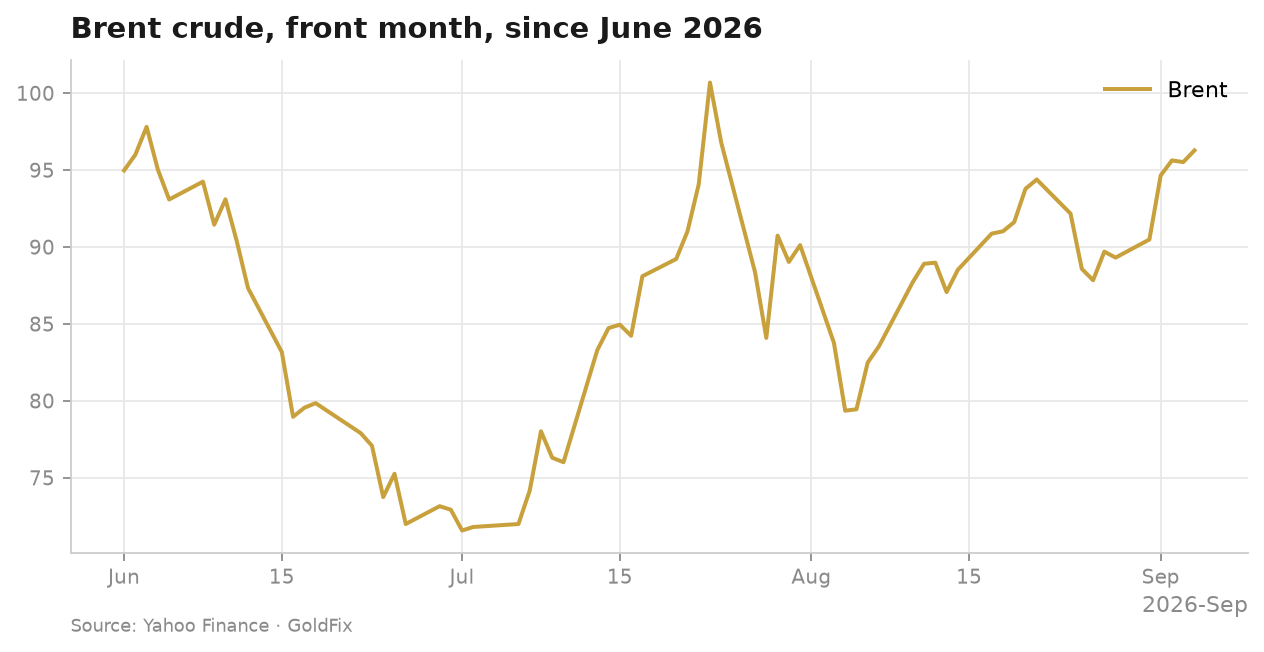
The price reaction has been larger in European gas than in oil, with the TTF benchmark trading almost 4 per cent higher in early trading on Monday. Brent traded near $98 a barrel on Tuesday morning, up about 9 per cent from its August 31 settlement of $90.49 and well above the July 1 low of $71.57, while the front-month contract remains below the $100.69 settlement of July 23.
The development adds to broader indications that the Gulf standoff has become a sustained-disruption regime for energy markets, with crude flows maintained under escort while gas supply remains the more exposed leg.