
Short Fuse
Speculators build the largest gross short in ICE Brent since December as a shaky US-Iran ceasefire keeps Hormuz in play
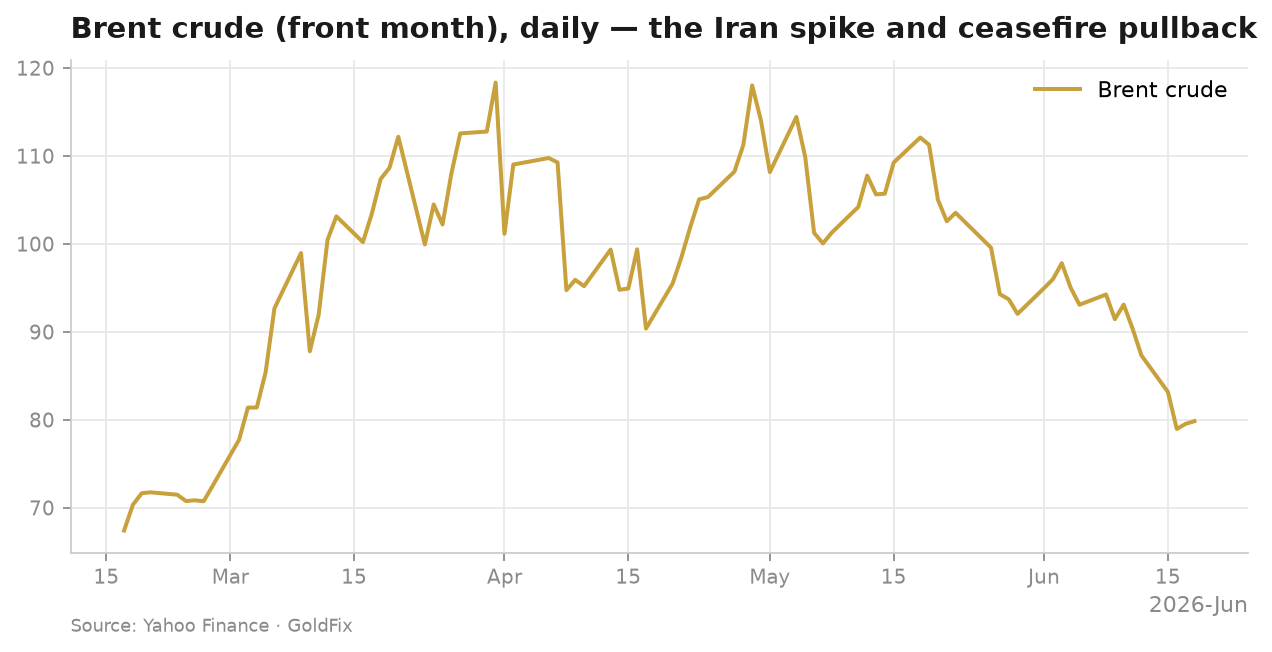
GFN – LONDON: Crude rose on Monday as speculators built their largest gross short position in ICE Brent since December, with a fragile US-Iran ceasefire and a contested closure of the Strait of Hormuz leaving Persian Gulf supply risks unresolved.
Money managers sold 94,763 lots of ICE Brent over the latest reporting week, cutting their net long to 114,128 lots, the smallest since December 2025, according to analysts. The reduction was driven by fresh short sellers who lifted the gross short to 231,218 lots, the largest in roughly six months.
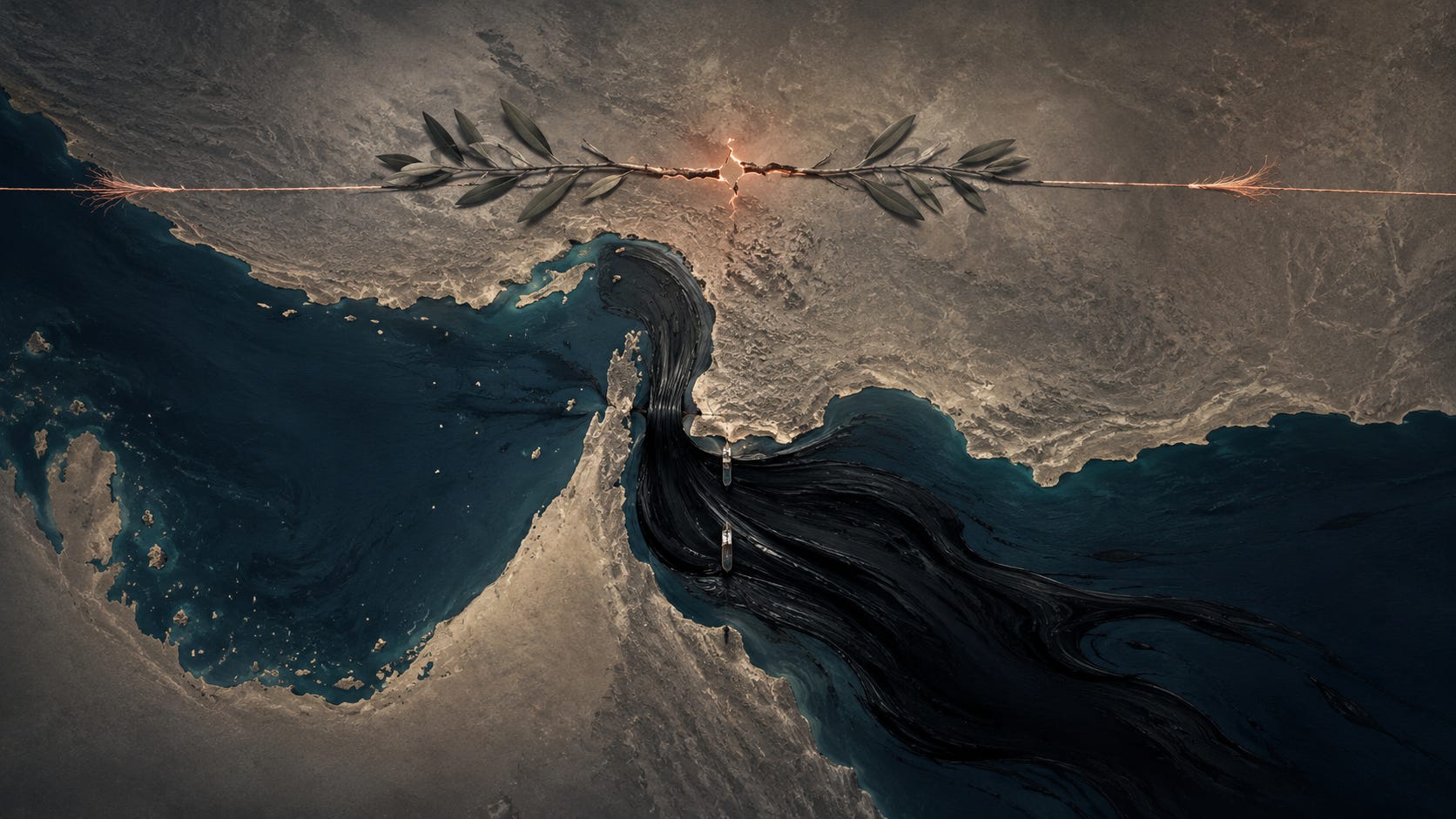
The positioning shift came as the ceasefire between the United States and Iran got off to a rocky start, with talks initially scheduled for Friday pushed to Sunday and Iran's Islamic Revolutionary Guard Corps stating it had closed the Strait of Hormuz in response to Israeli strikes on Lebanon, a claim undercut by US Central Command figures showing 17 million barrels transited the waterway on Saturday. President Donald Trump threatened further strikes on Iran should Hezbollah continue attacking Israel, leaving a 60-day truce exposed to renewed escalation.
"Clearly, if US-Iran talks don't progress well, there's a very real risk that these shorts will have to run and cover," the note said.
European natural gas added to the move, with Dutch TTF prices rising more than 3% as the market weighed Middle East supply risk against storage that sits just above 46% of capacity, well below the five-year seasonal average of 61%. The crowded short base in crude leaves prices sensitive to any interruption to Gulf oil and LNG flows, the factor the assessment identified as decisive through the truce.
Gold extended its decline to a third consecutive week as the resumption of Hormuz shipments eased fears of an inflation shock and hawkish remarks from Federal Reserve Chair Kevin Warsh reinforced a higher-for-longer rate outlook. The development underscores how closely commodity positioning has come to track the path of Persian Gulf diplomacy.